
Archival Papers
What is Archival Paper
To put it simply, archival paper is the VIP of the paper world. It is museum-grade paper specifically manufactured to resist deterioration, yellowing, and chemical aging over long periods.
While ordinary paper (like copy paper or standard poster paper) is designed to be used and eventually thrown away, archival paper is engineered to last for 100 to 200+ years without losing its integrity.
Here is a breakdown of what makes a paper truly “archival” and why it is indispensable for fine art printing.
The Three Pillars of Archival Paper
To earn the “archival” title, paper must survive a highly strict manufacturing process that eliminates the elements that cause paper to self-destruct over time.
It Must Be Acid-Free (pH Neutral)
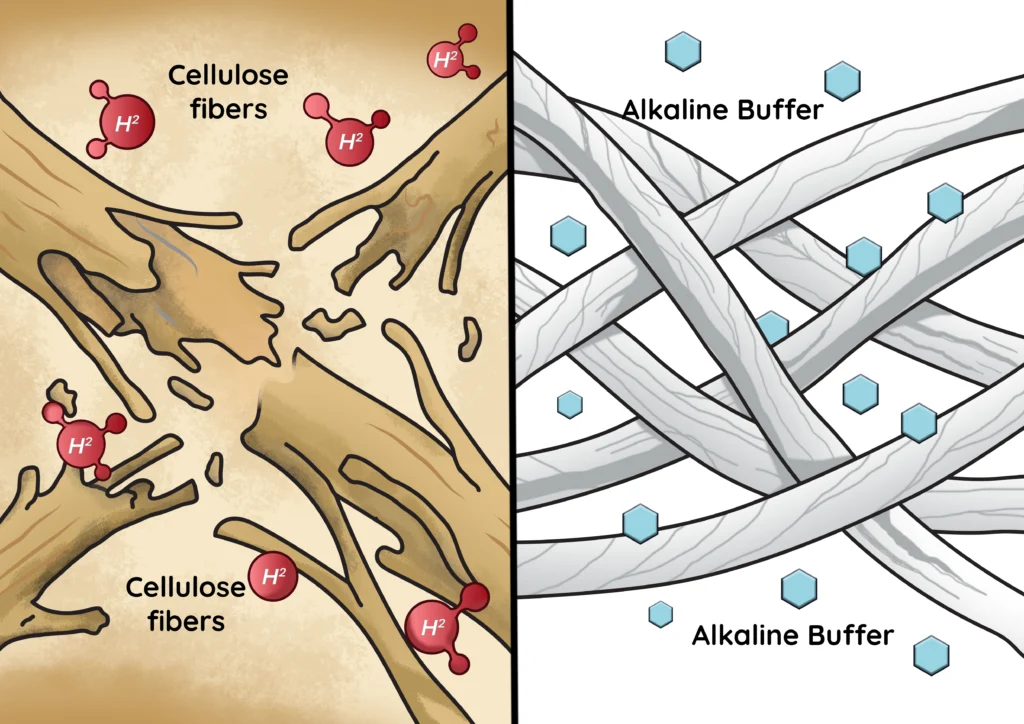
Standard paper contains natural acids. Over time, these acids eat away at the paper fibers, causing it to become brittle and crumble. Archival papers are chemically treated to be pH neutral (around 7.0 or slightly higher) or are “alkaline buffered” with calcium carbonate to neutralize any environmental acids the paper might encounter in the air.
It Must Be Lignin-Free
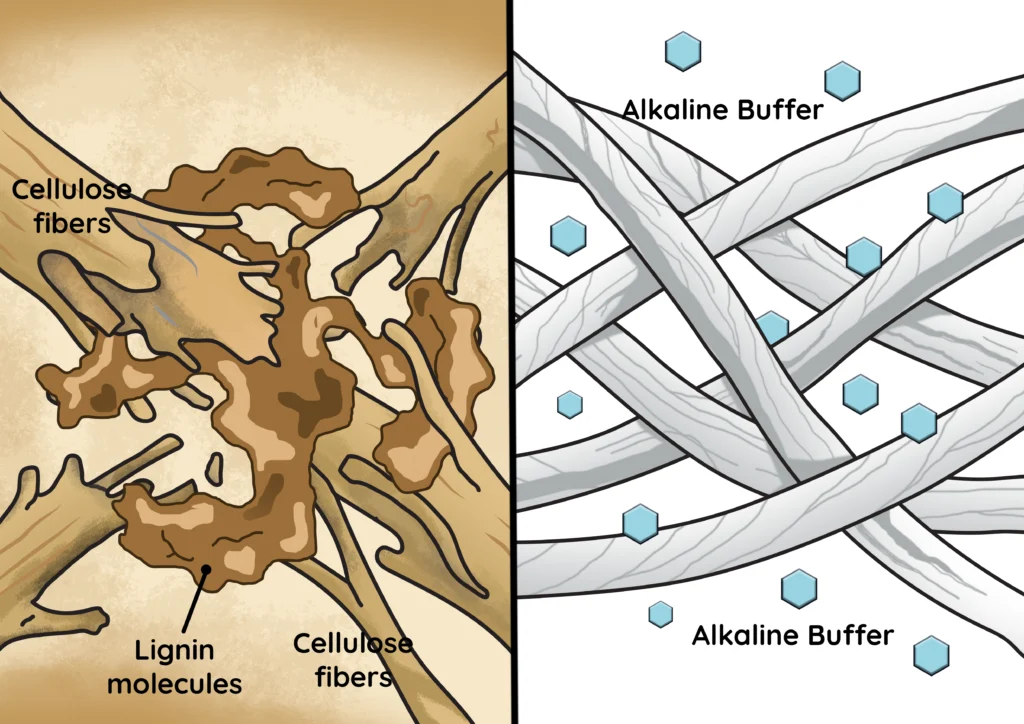
Lignin is a natural chemical compound found in ordinary wood pulp. It is the exact culprit that causes old newspapers or cheap paperbacks to turn bright yellow and brown when exposed to light and air. True archival papers have 100% of the lignin removed, or they bypass wood pulp entirely.
It is Free of OBAs
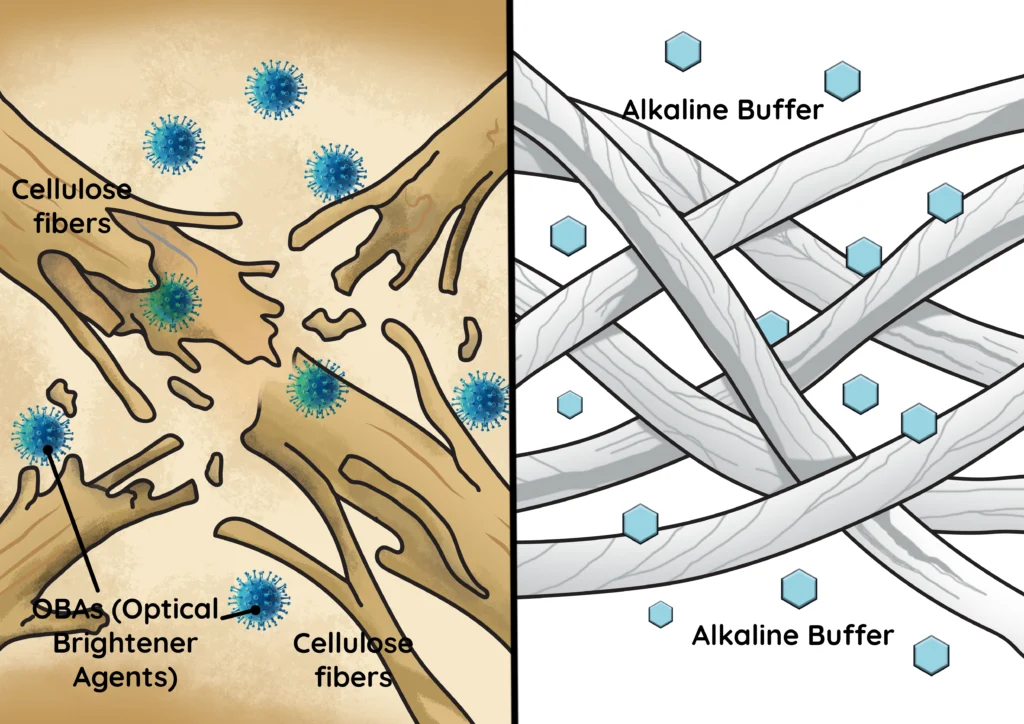
Many commercial papers use artificial chemical bleaches called OBAs(Optical Brightener Agents) to make the paper look blindingly white. The problem? These chemicals fade over a few short years. When they fade, the paper undergoes a dramatic color shift, ruining the color accuracy of the artwork printed on it. True archival papers rely on the natural whiteness of their raw materials.
What is Archival Paper Made Of?
Archival papers generally fall into two premium categories based on their raw materials:
100% Cotton Rag (The Gold Standard): Made from cotton linters or rags. Cotton is naturally acid-free, lignin-free, and incredibly durable. It feels luxurious, holds ink beautifully, and is favored by world-renowned mills like Hahnemühle.
Alpha-Cellulose: Made from high-grade wood pulp that has been chemically processed to strip out all impurities, acids, and lignins. It offers museum-grade longevity at a slightly more accessible price point.
| Feature | Standard Paper (Copy/Poster) | Archival Paper (Fine Art) |
|---|---|---|
|
Primary Ingredient |
Raw wood pulp |
100% Cotton or Alpha-Cellulose |
|
Lifespan |
5 to 20 years before fading/yellowing |
100 to 200+ years under gallery conditions |
|
Texture & Feel |
Thin, smooth, and easily creased |
Heavy weight (GSM), rich tactile textures |
|
Ink Interaction |
Ink absorbs flatly or bleeds |
Ink binds perfectly to fibers for ultra-sharp detail |
|
Best Used For |
Office documents, flyers, temporary posters |
Limited edition fine art, photography, museum displays |