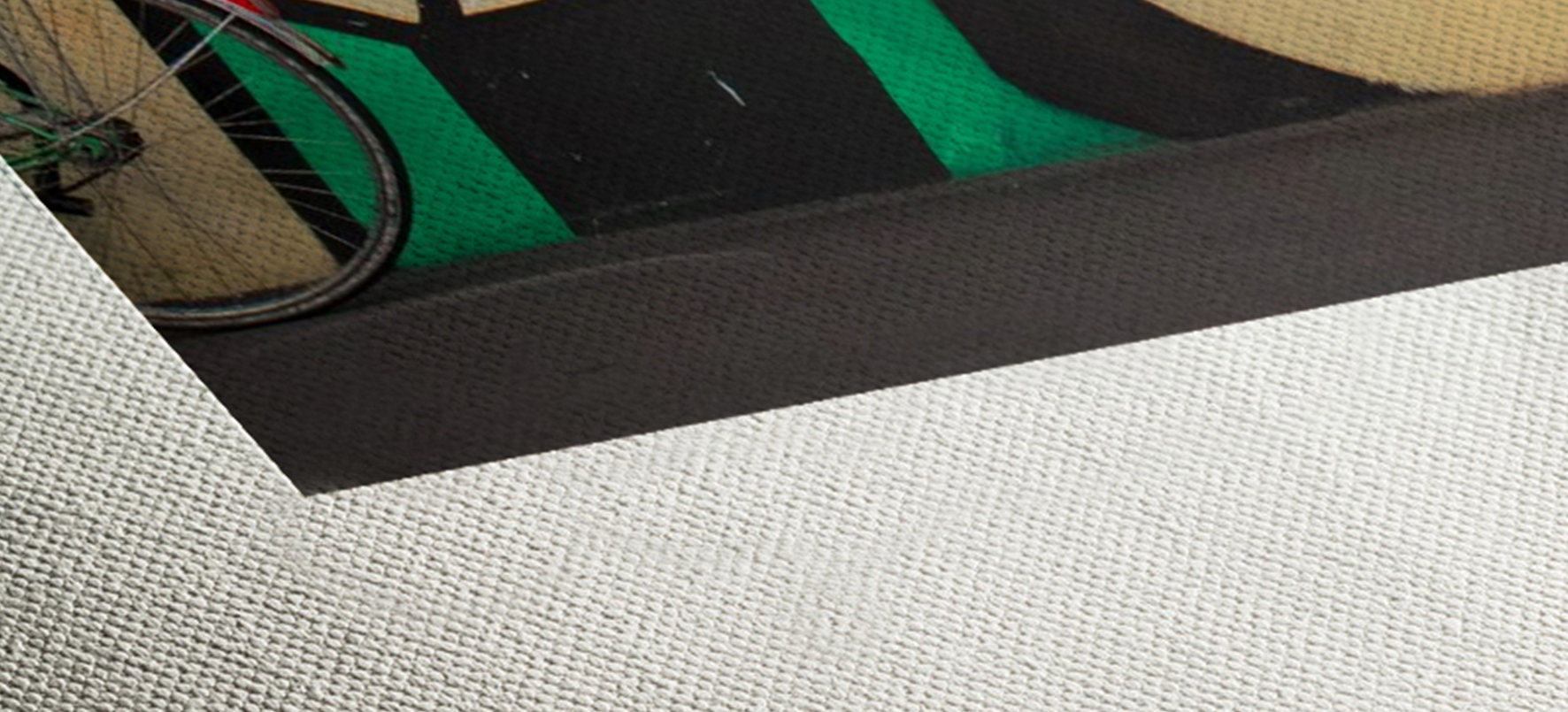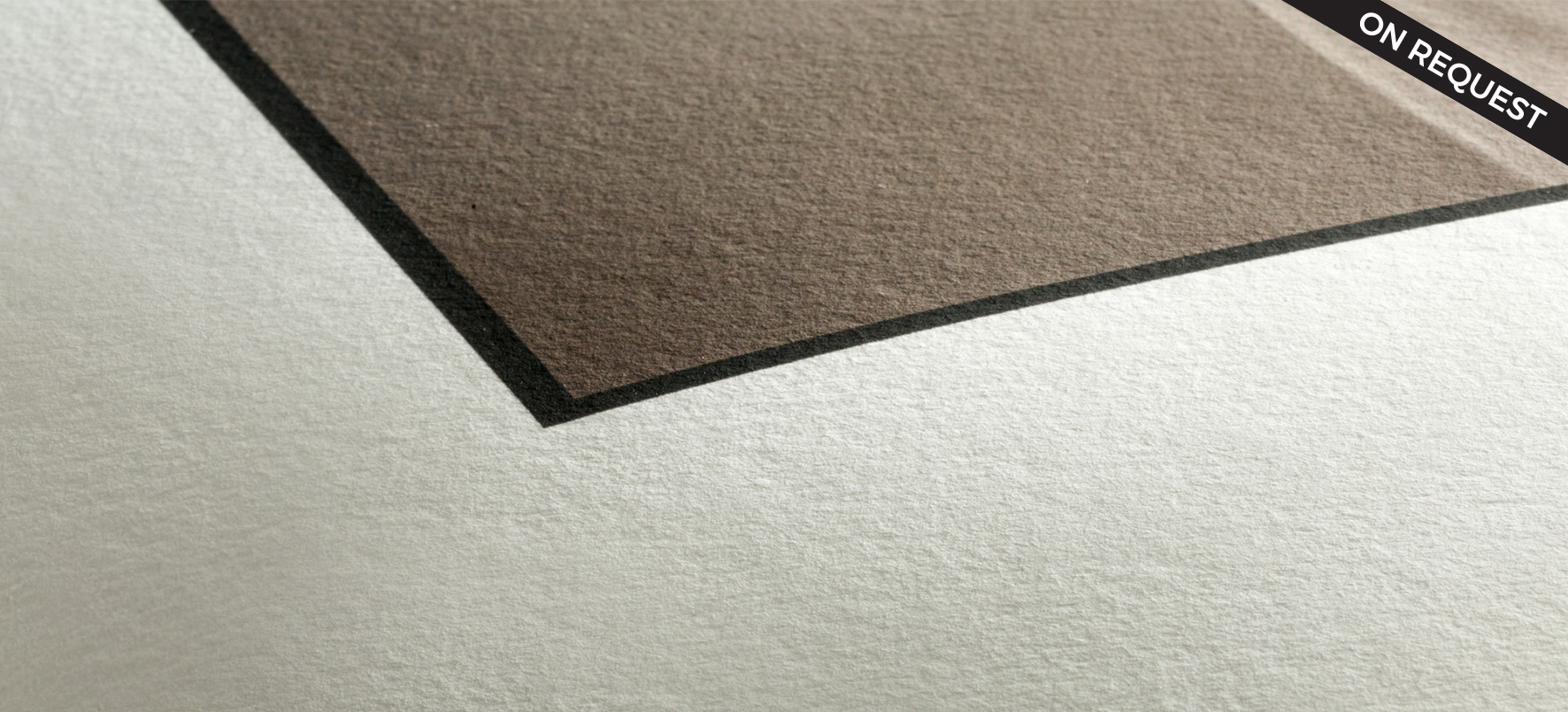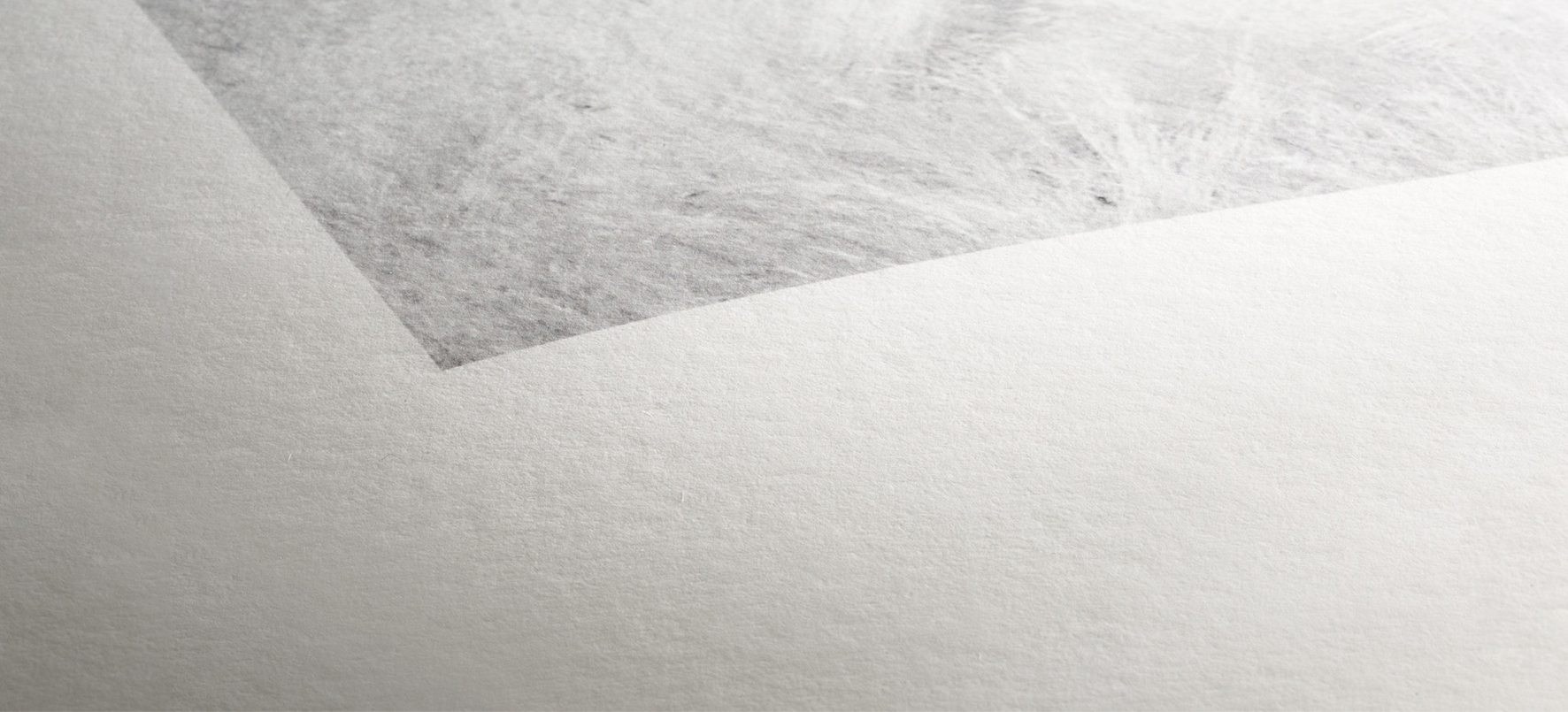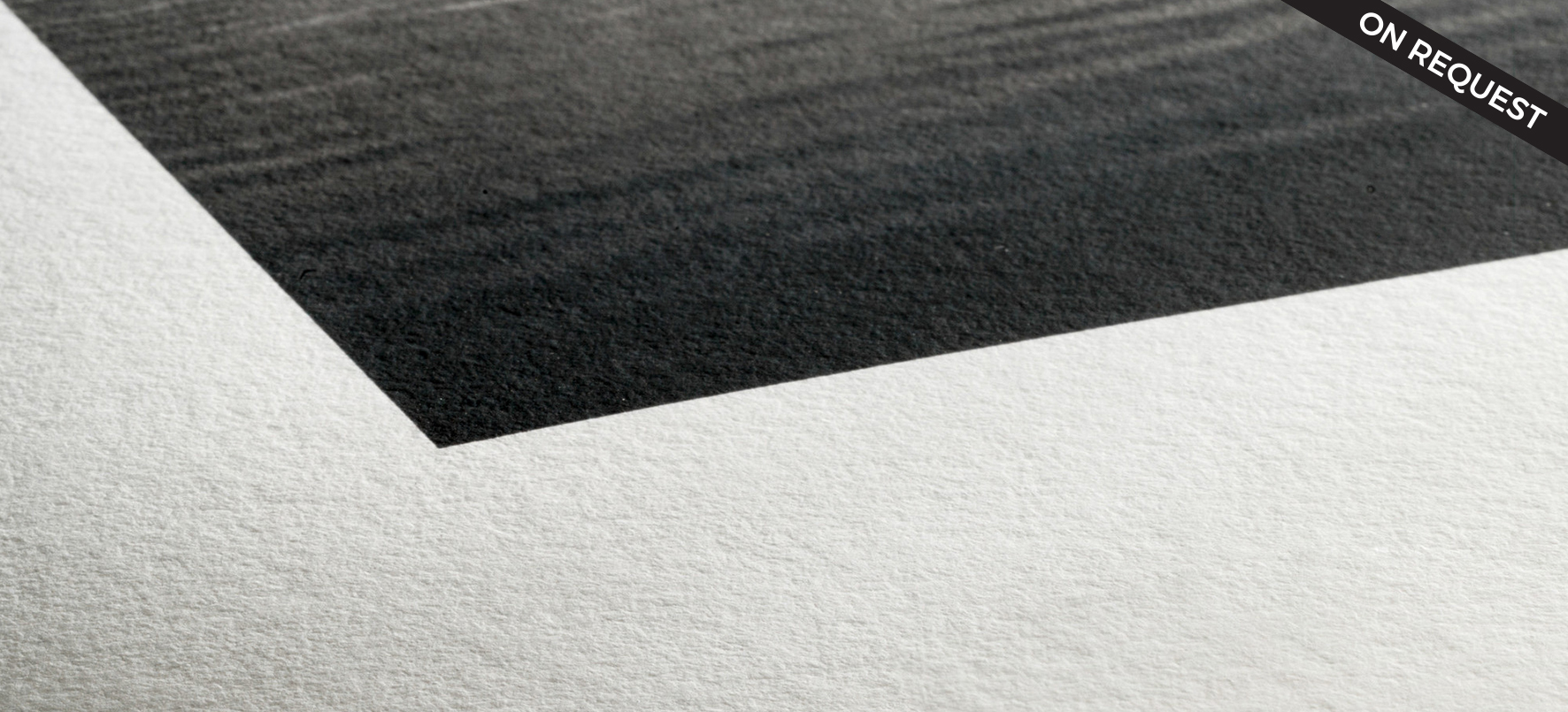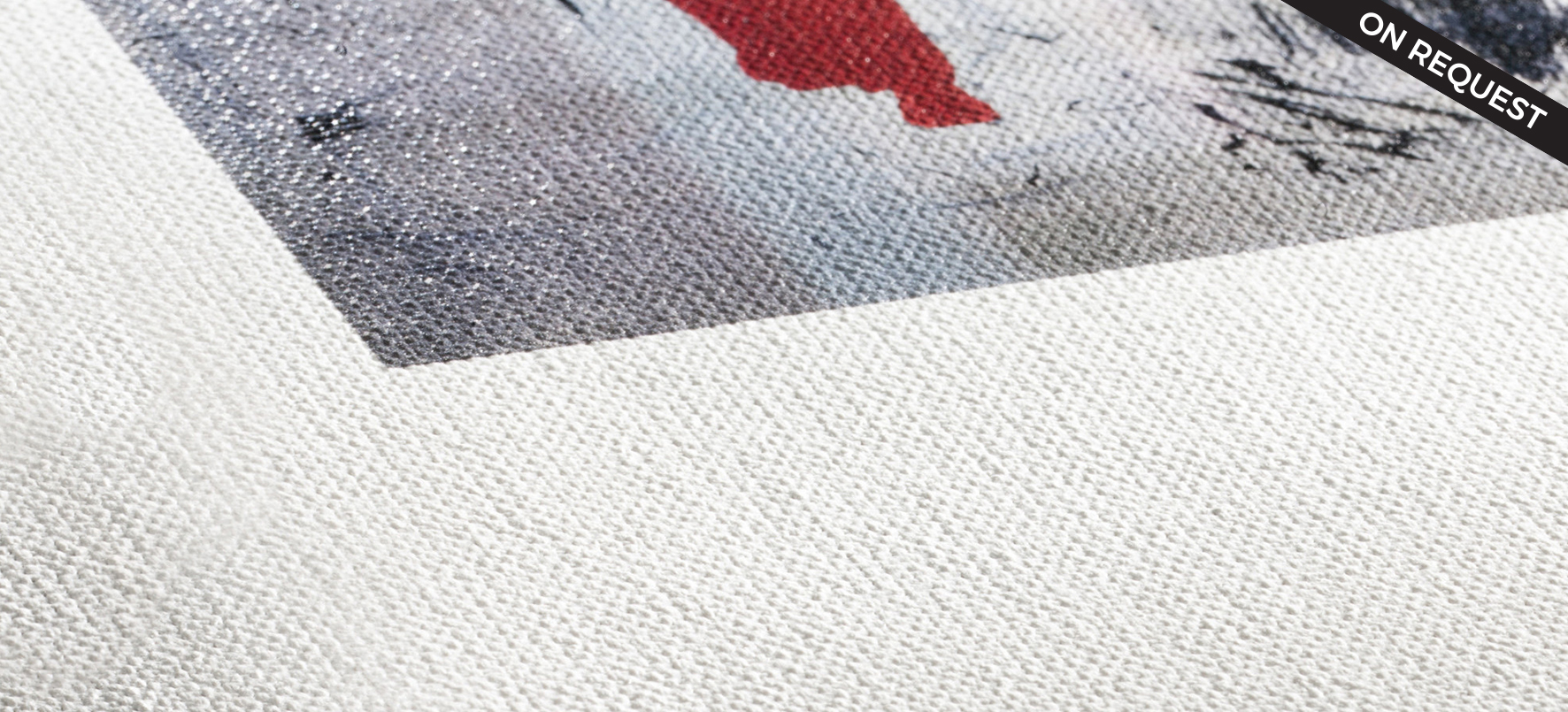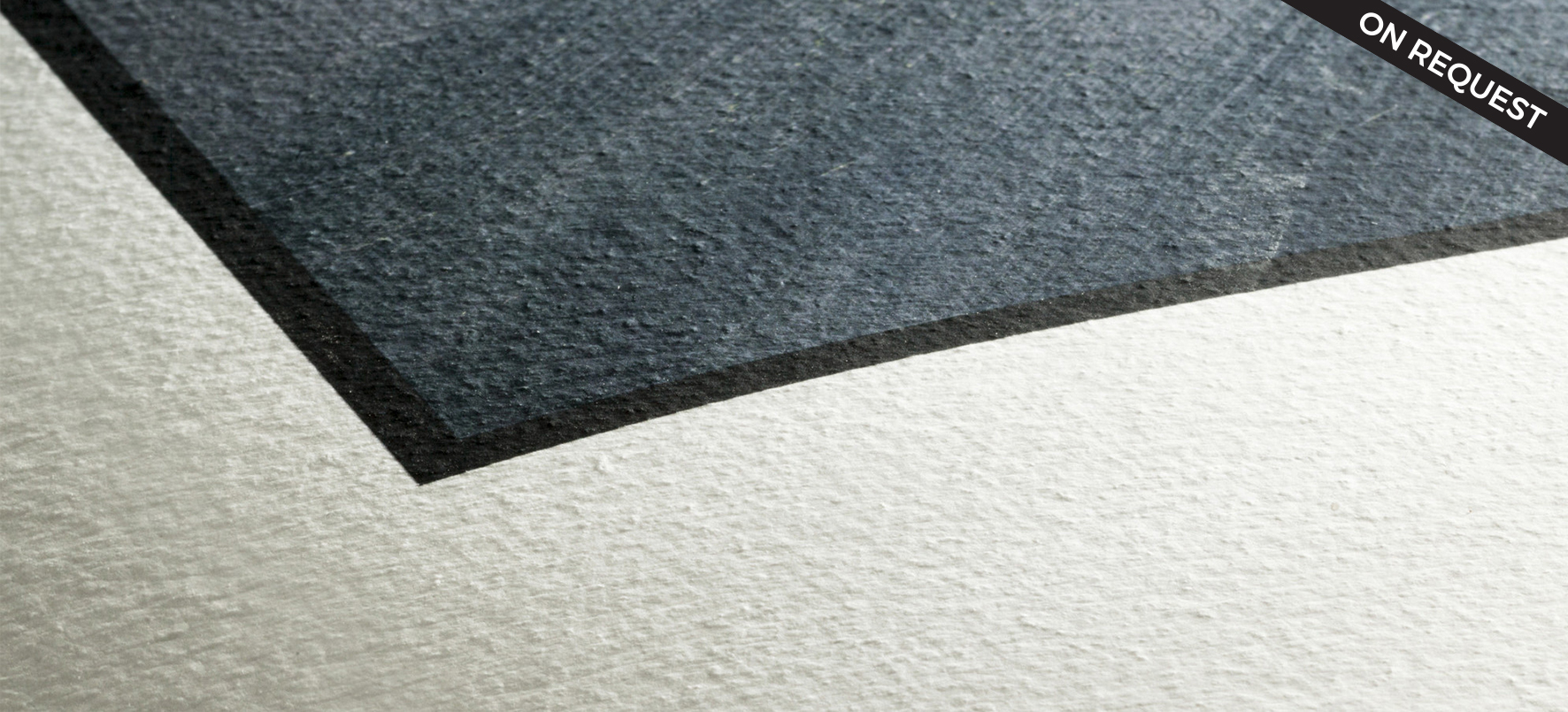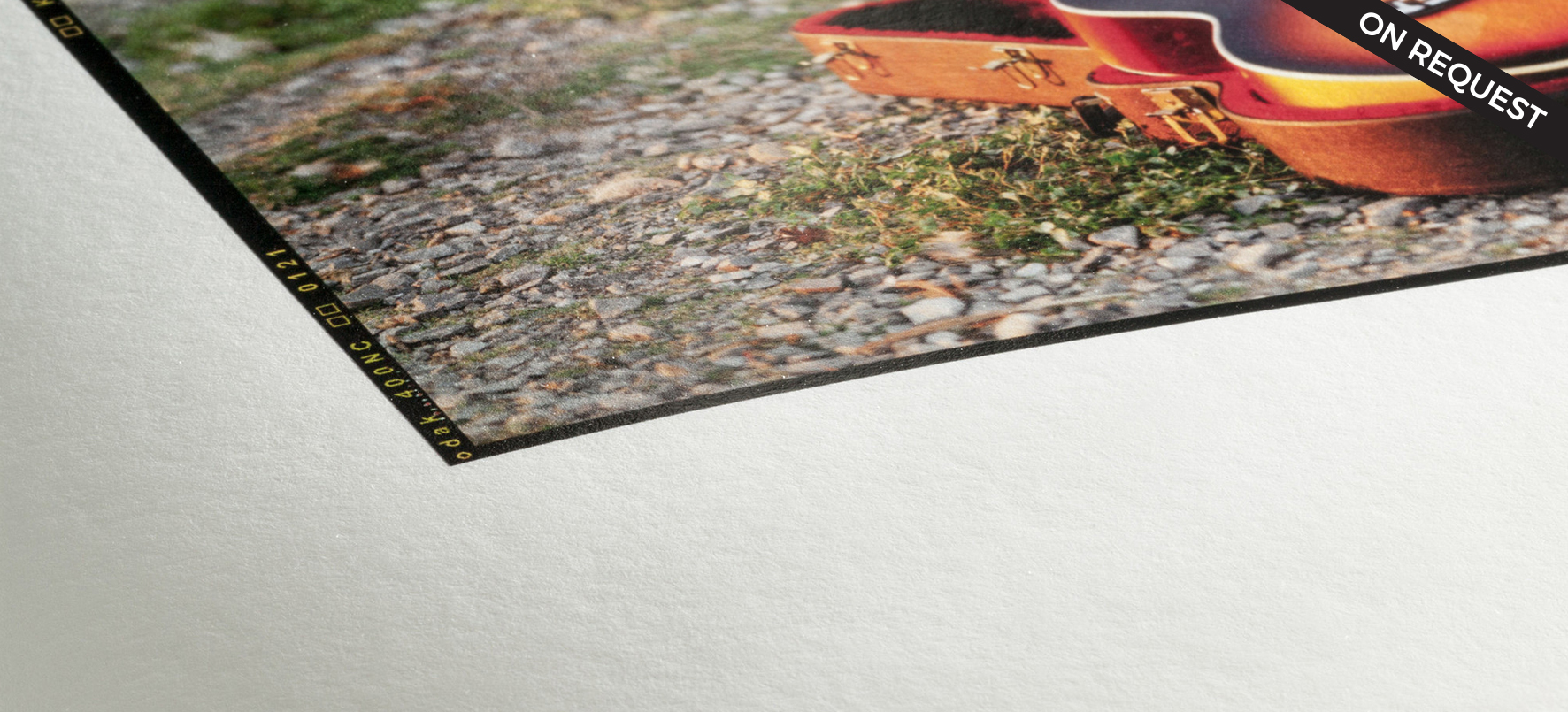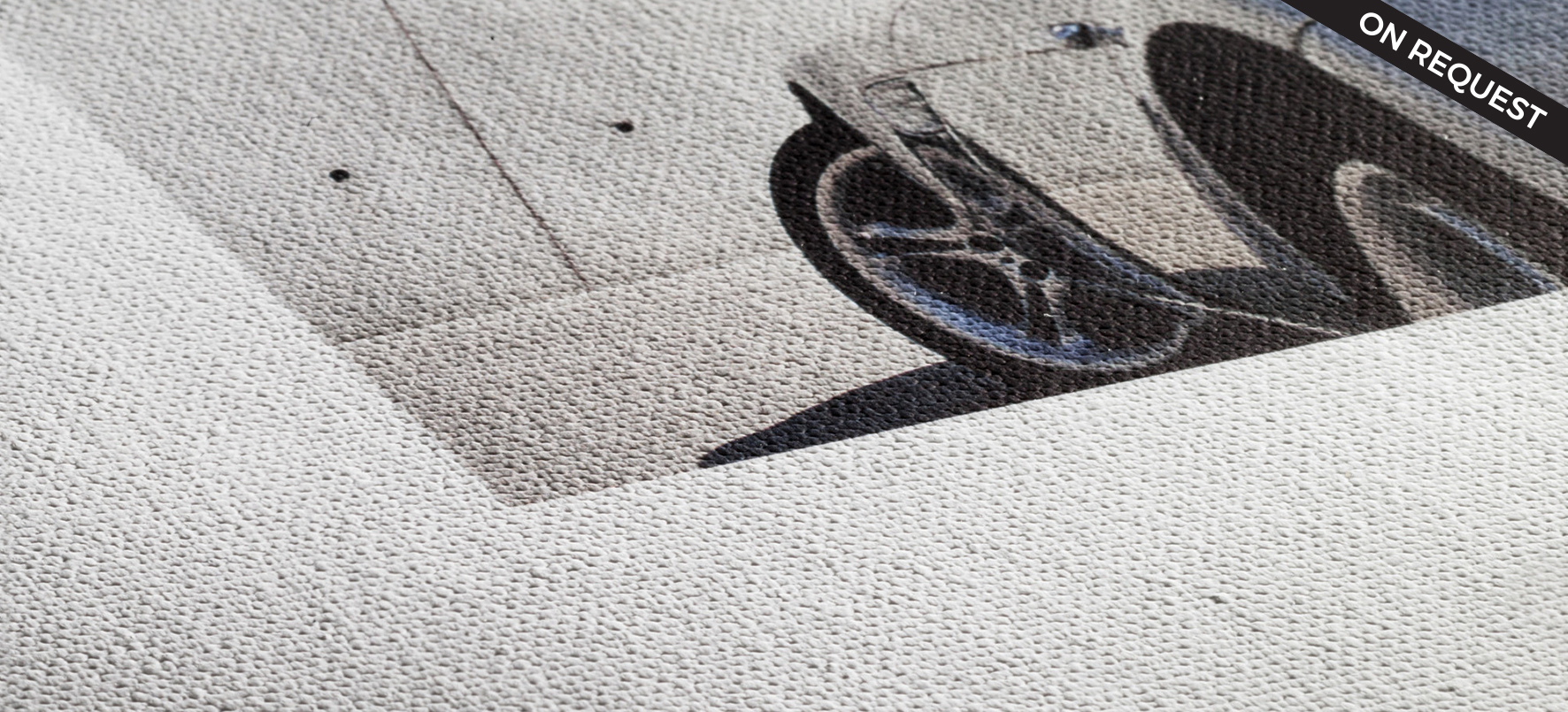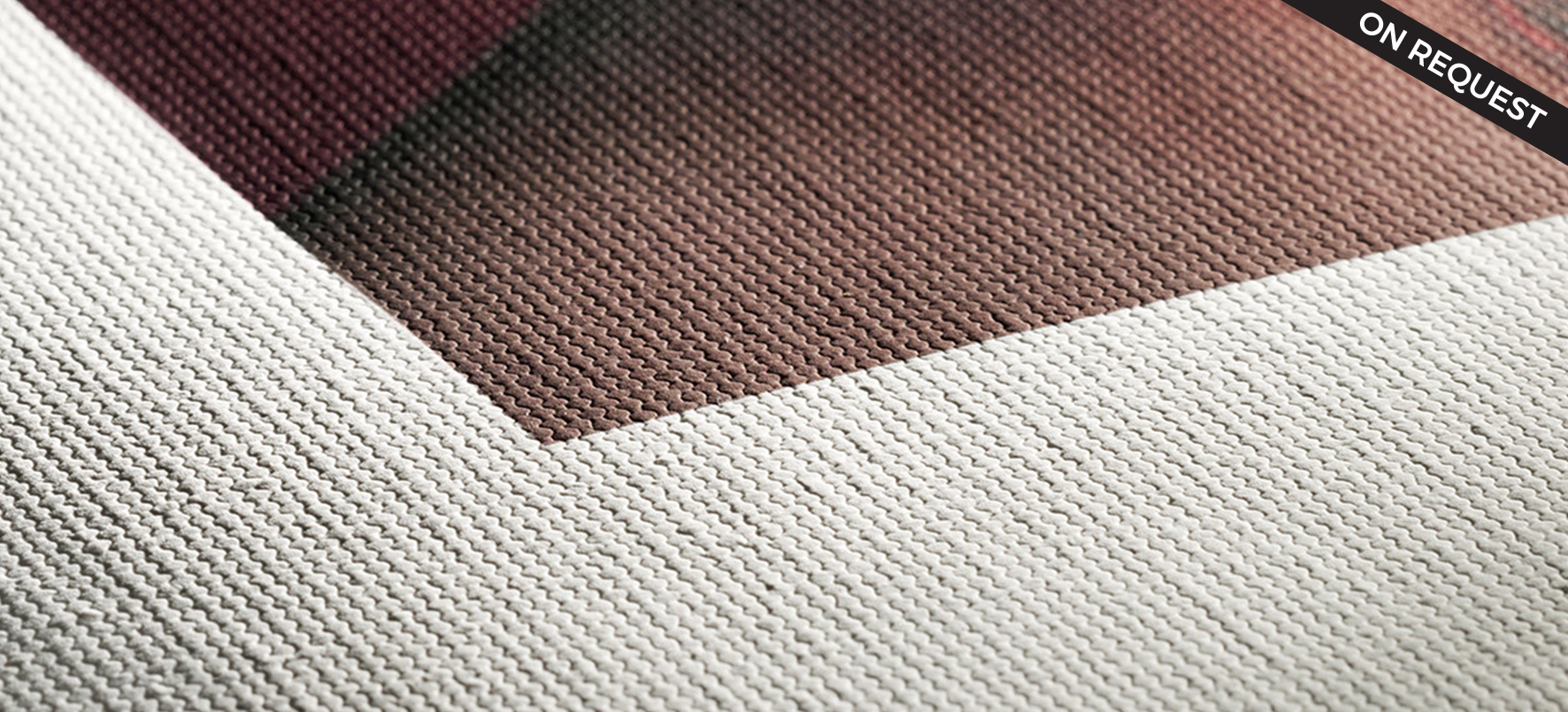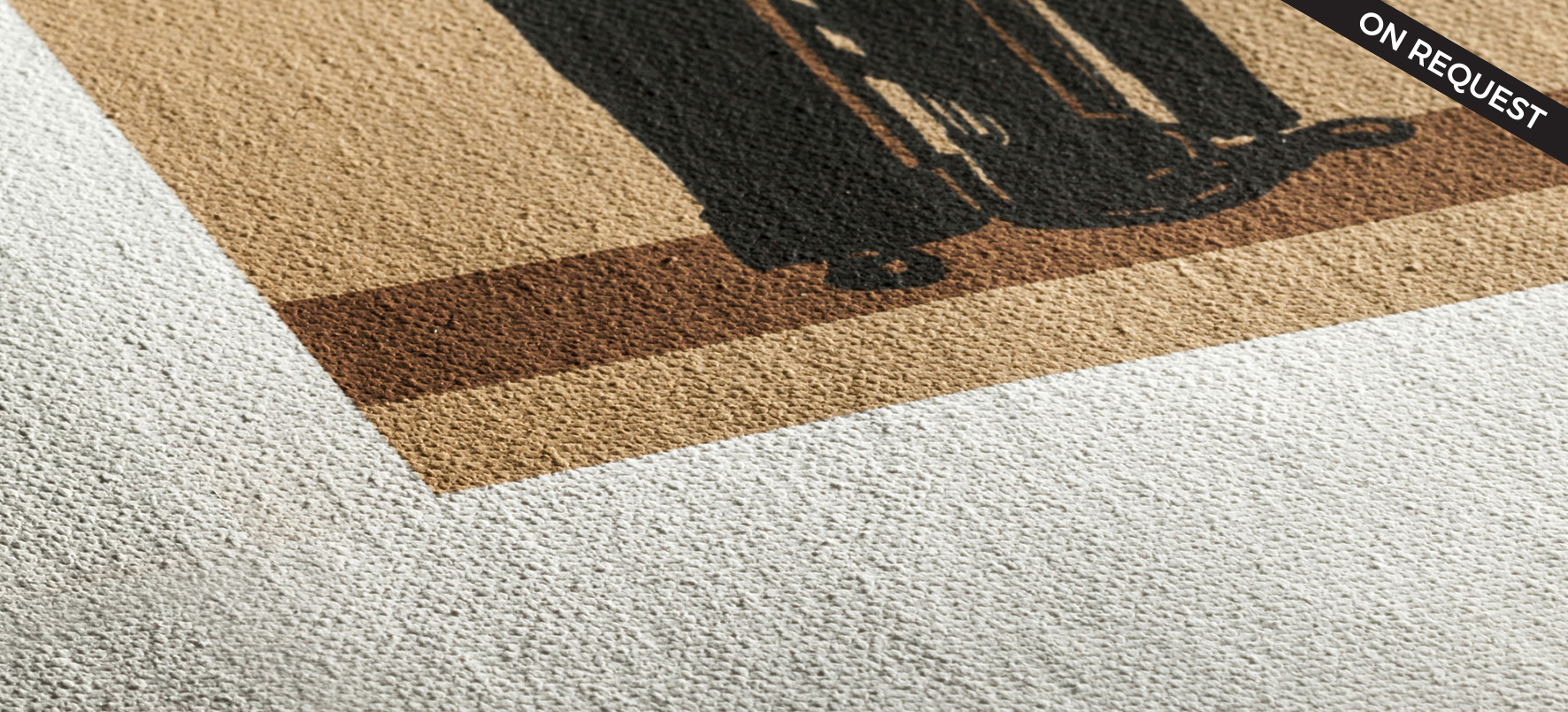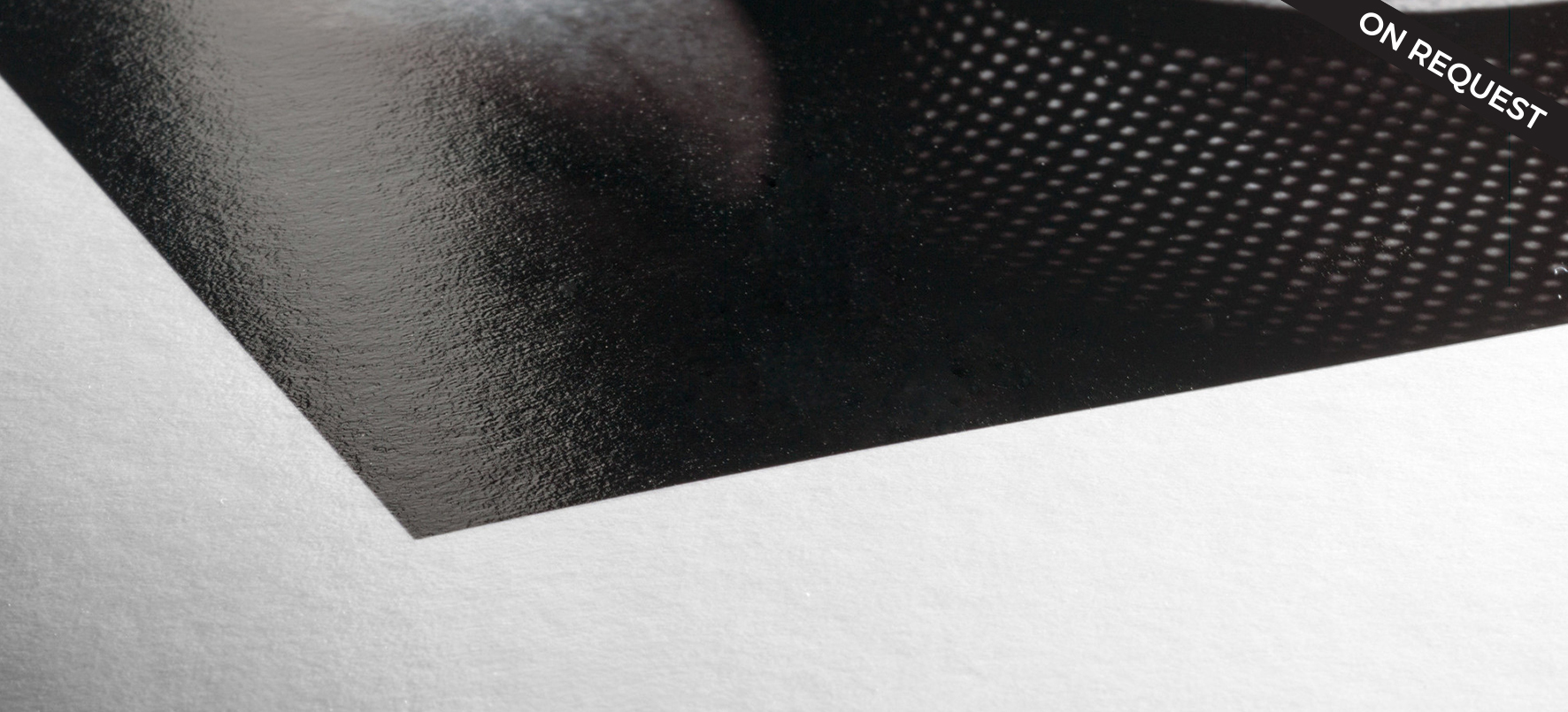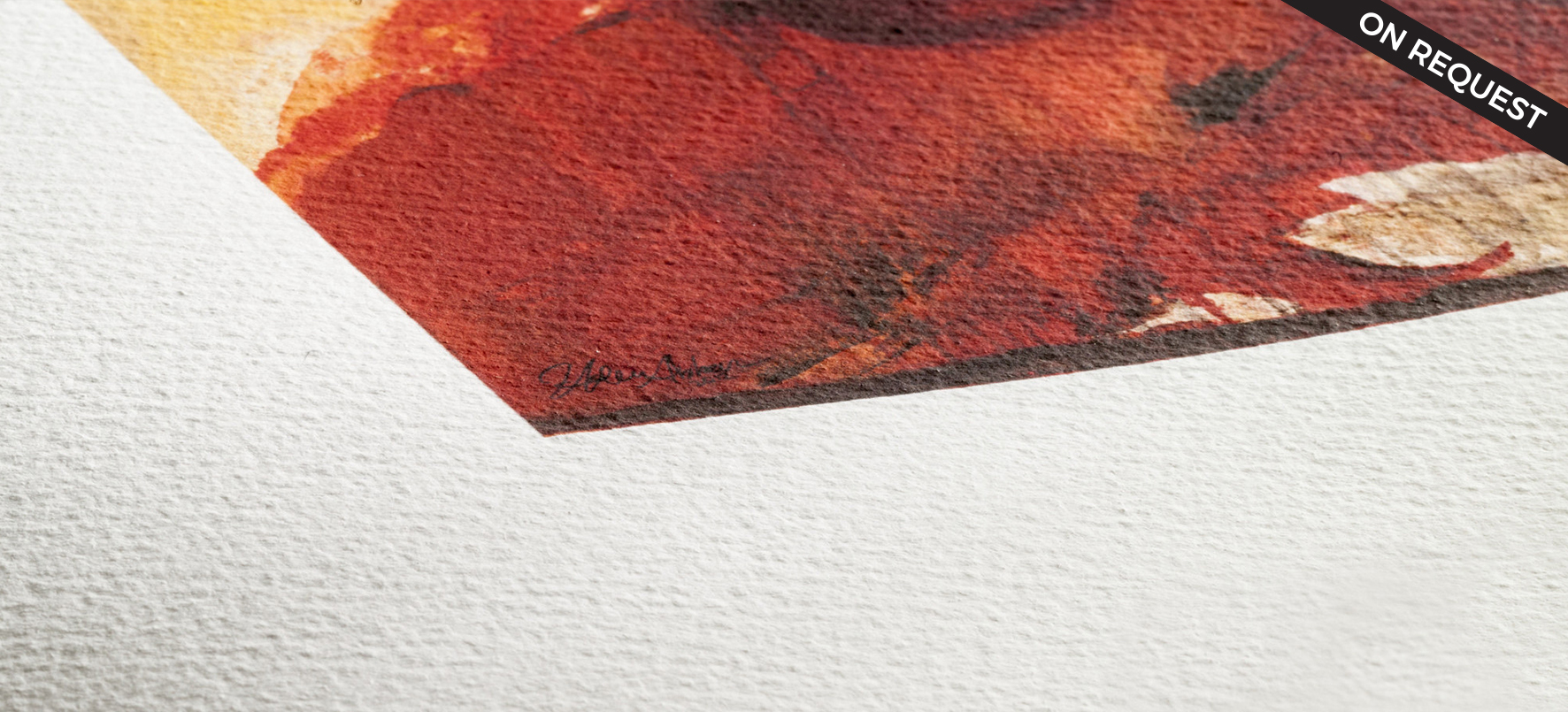


FINEARTS
UL ECOLOGO Certified
Confirms that the inks and printing process meet strict lifecycle environmental standards.
EPEAT Registered
Recognizes the printer’s energy efficiency and environmentally preferable design.
GREENGUARD Gold Certified
Ensures prints meet rigorous chemical emission limits for safe, indoor use.
Éco-Passport Certified
Validates that the inks comply with chemical safety guidelines for safe handling and use in textile applications.
Archival Papers & Ink
To create a true Giclée print-the gold standard for museums and art galleries-paper is only half the battle. The magic happens when archival paper and archival ink join forces.
If you print on the finest German Hahnemühle paper using cheap, standard ink, the print will still fade in a few years. Conversely, if you use the best archival ink on cheap, acidic paper, the paper will turn yellow and eat the image from the inside out.
Here is how archival papers and inks work together to lock in colors for centuries.
The Core Difference: Dye Ink vs. Pigment Ink
In the printing world, inks generally fall into two categories. For archival and fine art printing, only one is acceptable.
Standard Dye-Based Inks (Non-Archival)
Dye-based inks are like water colored with sugar. The colorant dissolves completely in the liquid. While dye inks can produce incredibly bright colors, they are highly sensitive to UV light and air. The molecules break down rapidly, causing the image to fade, shift colors, or bleed if it gets humid.
Pigment-Based Inks (Archival)
Pigment inks are entirely different. Instead of a soluble dye, they consist of microscopic, solid particles of color (like ground-up minerals) suspended in a liquid carrier. When printed, these solid particles bond directly to the top layer of the paper fibers.
How Your Studio's Technology Fits In
Your fine art setup is perfectly equipped to deliver true archival results because of the specific ink technology built into your machines:

Canon imagePROGRAF Pro 540
This machine utilizes Canon’s proprietary LUCIA PRO 12 pigment ink system. It uses micro-encapsulated pigments that pack densely onto the paper. This creates an incredibly wide color gamut, deep rich blacks (Chroma Optimizer), and a certified archival life of up to 200 years when paired with papers like Hahnemühle.
HP Latex 630w
HP's water-based Latex inks use a unique polymer chemistry using 9 colours. The pigments are bound inside a durable, flexible latex layer that cures instantly. It provides phenomenal fade resistance and scratch resistance, making it ideal for both large-scale fine art displays and high-durability posters.
Learn More About
Manuscripts
- All
- Available
- On Request
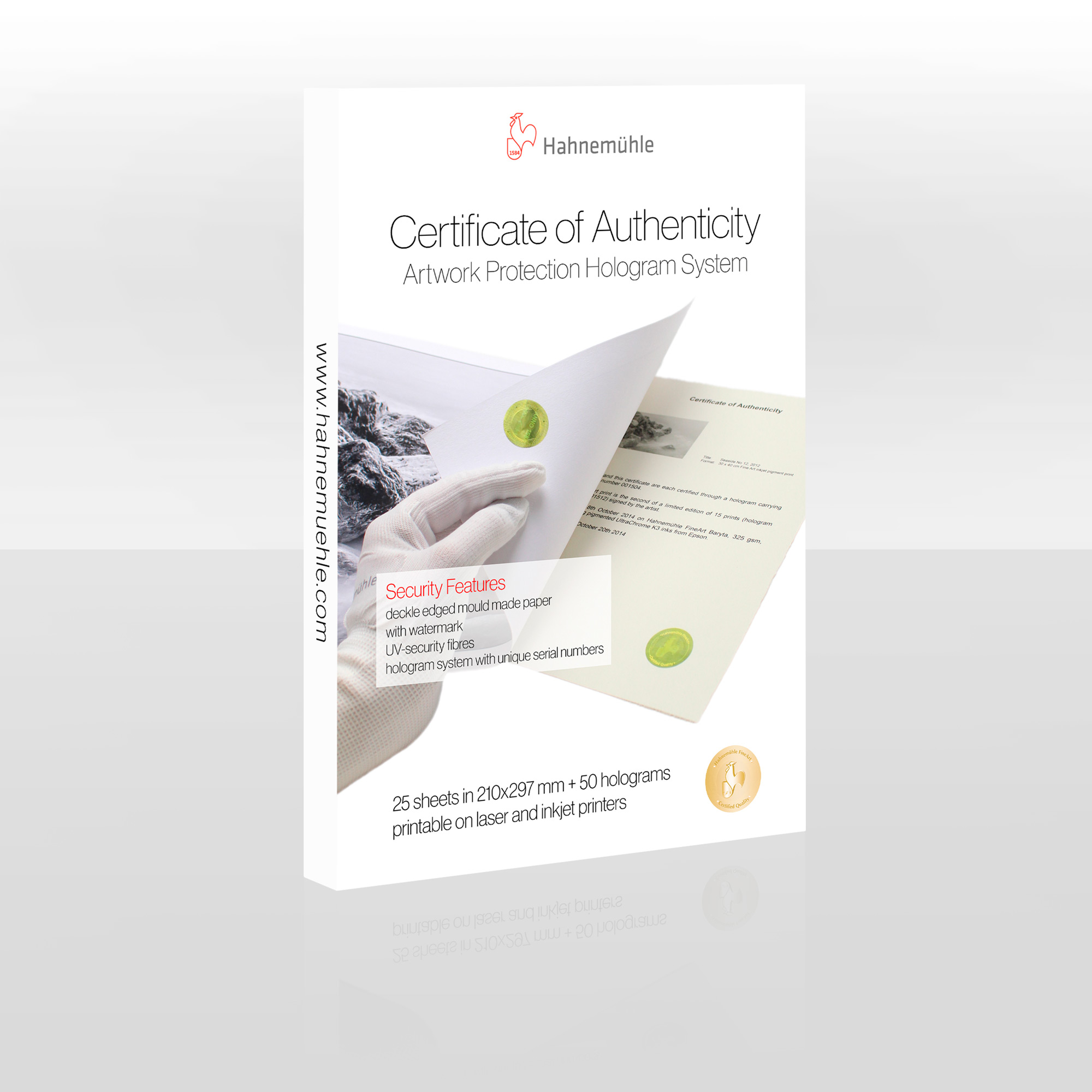
Hahnemühle Certificate of Authenticity
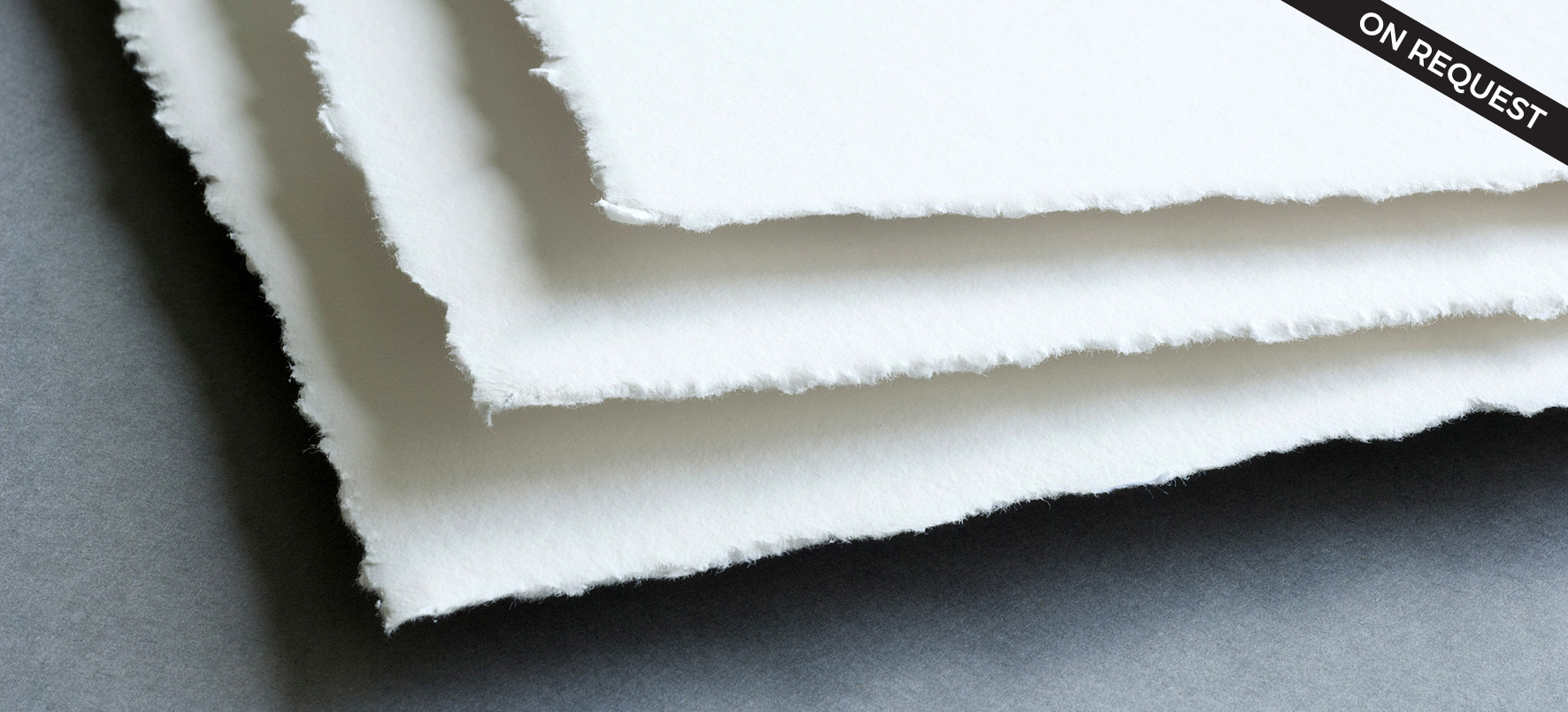
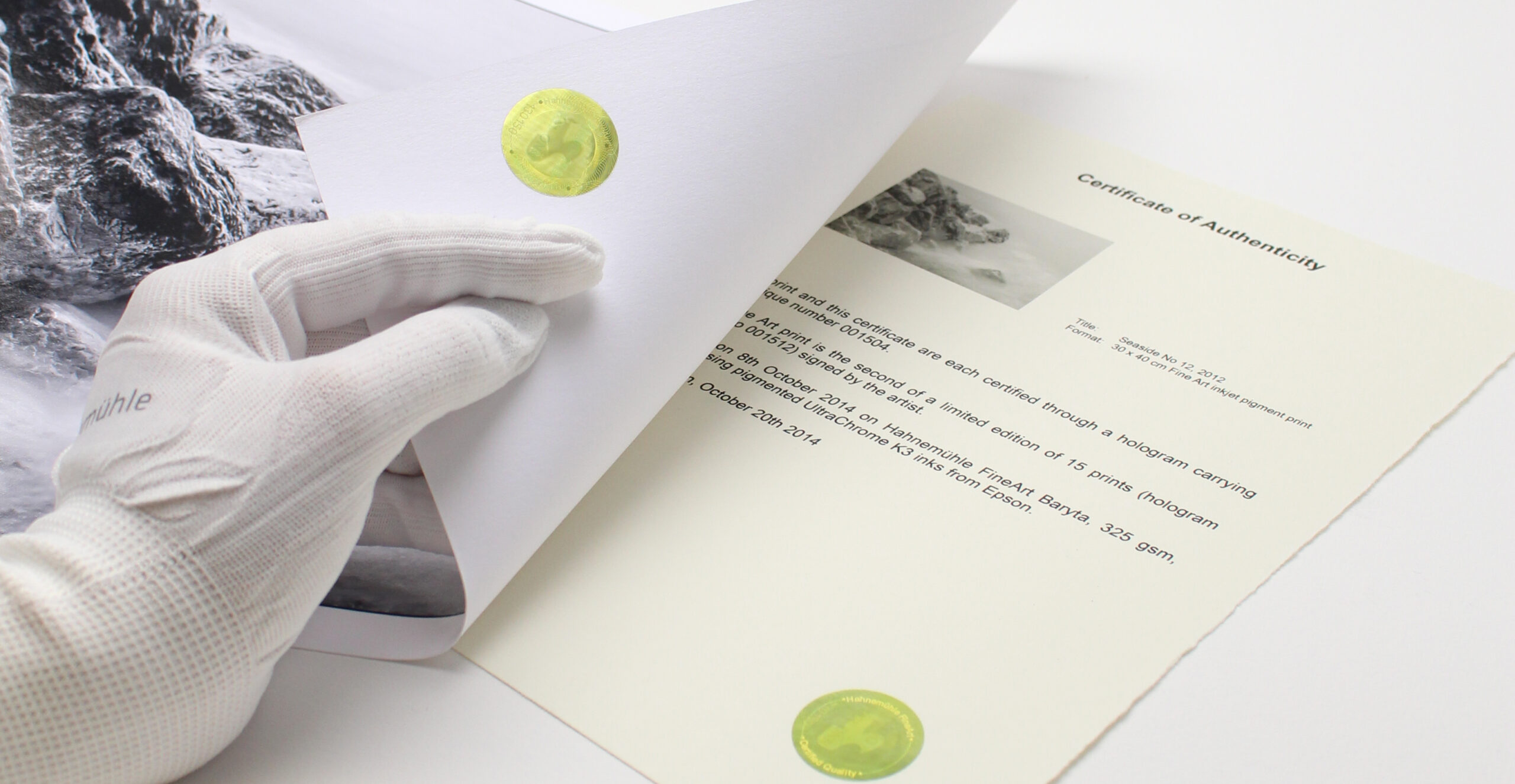
The Hahnemühle Certificate of Authenticity was designed to protect the security and genuineness of your limited edition art works and reproductions on Hahnemühle paper and to reduce the risk of forgery.
Each certificate is made of premium deckle edged mould made paper with a Hahnemühle watermark and fluorescent security fibres. A serialized numbered hologram should be added. A second, identically numbered hologram should then be applied to the reverse side of the artwork.
The combination of certificate and hologram assures that each Certificate of Authenticity relates to one particular piece of art. Text and layout of the certificate can be created individually. A template can be downloaded here.
►Due to the fact that certificates of authenticity are not only very useful in the art world for photographs or works of art on Hahnemühle paper, Hahnemühle certificates of authenticity are also suitable for other art objects and artworks to mark them as unique or limited edition. It is a one-off and value adding identification document.


Studio to Press Guide
The definitive roadmap for bridging the gap between your creative studio and the physical press. Learn how to translate the texture of your physical canvas or the vibrancy of your digital monitor into an exquisite, archival-grade physical print.
Pre-Flight Guidelines
Your final technical checklist. Ensure your color profiles, resolution, and dimensions are perfectly optimized for flawless gallery output before your file hits the printer.
Sizing Guidelines
Fine art printing happens on continuous rolls. By matching your print dimensions to standard roll widths, you ensure museum-grade edge-to-edge accuracy and avoid paying for blank, wasted paper.
About Me
This Can Be Secondary Heading
Lorem ipsum dolor sit amet, consectetur adipiscing elit, sed do eiusmod tempor incididunt ut labore et dolore magna aliqua. Ut enim ad minim veniam, quis nostrud exercitation ullamco laboris nisi ut aliquip ex ea commodo consequat. Duis aute irure dolor in reprehenderit in voluptate velit esse cillum dolore.